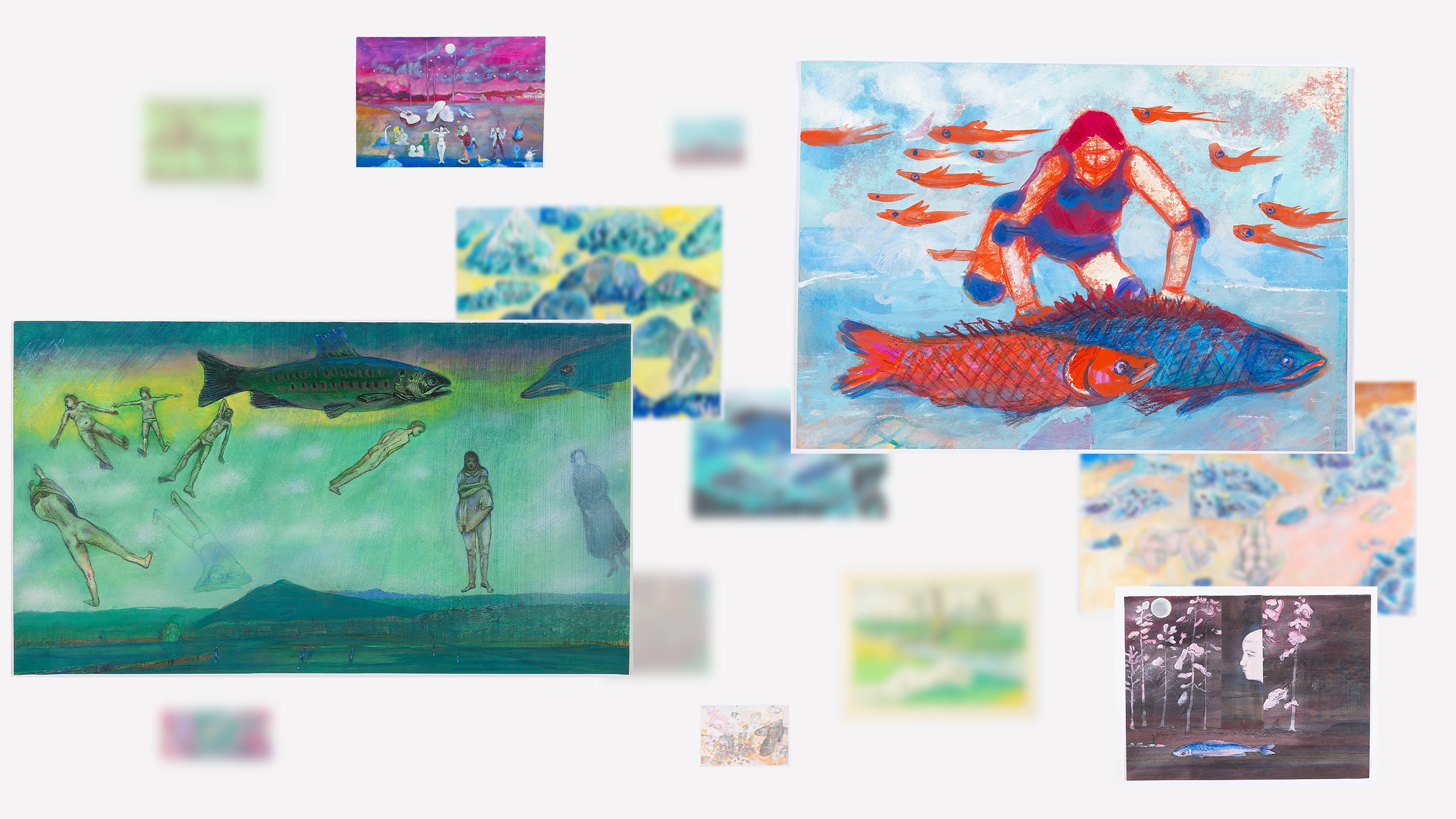
Seven decades of art Analog legacy becomes digital presence. The archive of an artist's life work
Ulrich Klimmt
Description
Over 10,000 works from Ulrich Klimmt's estate (1932–2022) existed as original artworks. Seven decades spanning landscapes, portraits, marine scenes across different epochs and techniques. Klimmt deliberately lived outside the commercial art world creating in his studio. Few had seen his work. After his passing in 2022, the family sought to make this artistic universe publicly accessible. This vision required a digitized archive enabling curatable, accessible, multi-channel availability while preserving context.
Summary Together with Reinhard Klimmt and Annette Bertsch, we created the enabling infrastructure, a robust digital system making the work discoverable, curatable, and publishable. The foundation integrates systematic digital cataloging, differentiated access pathways for curators and galleries, catalog production workflows, and future website integration.
We conceived, designed, and executed the entire process, starting from defining digitization formats and naming conventions (scanning by mkw Group) through cloud storage architecture, automated digital processing, and web optimization.
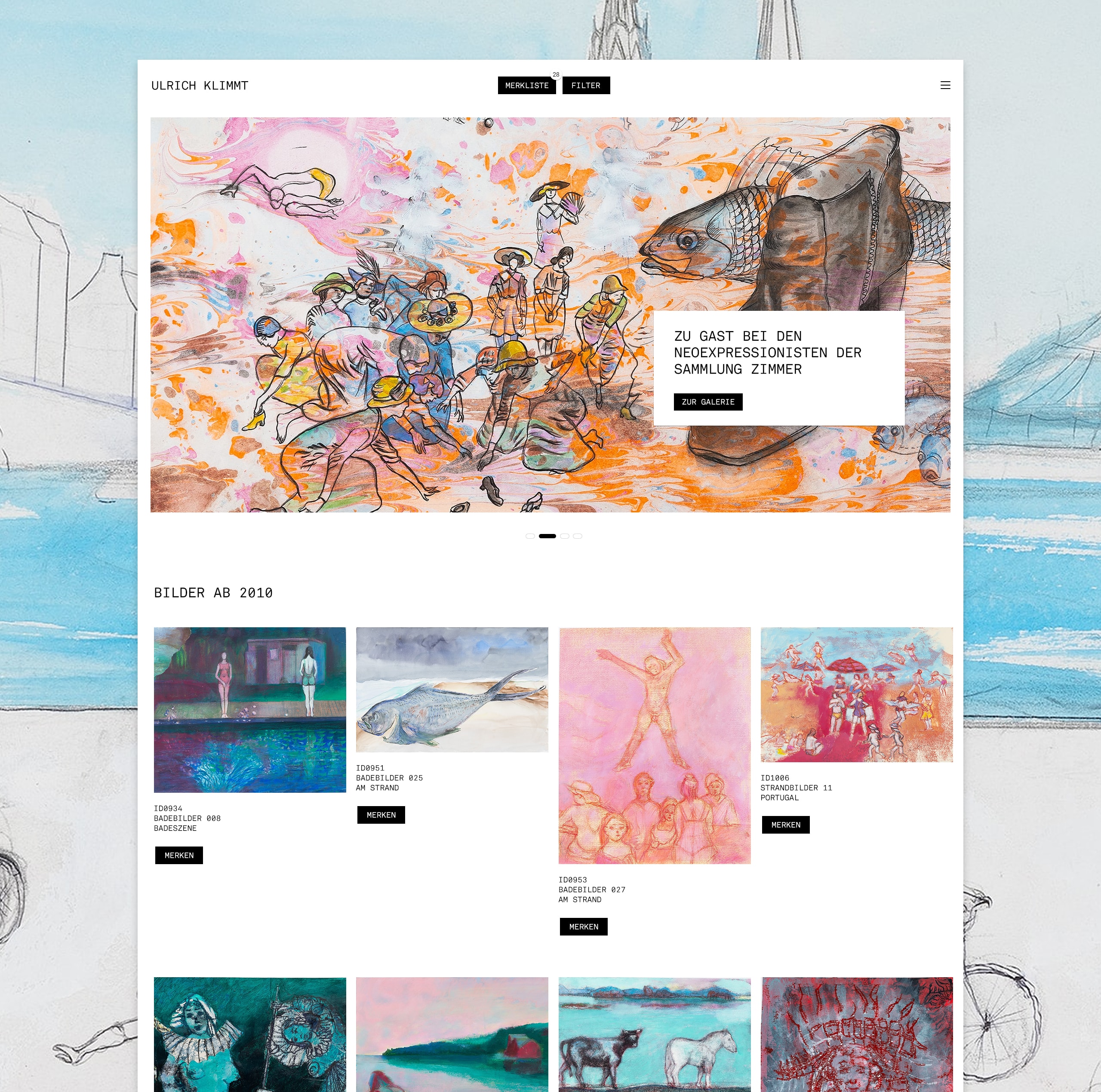
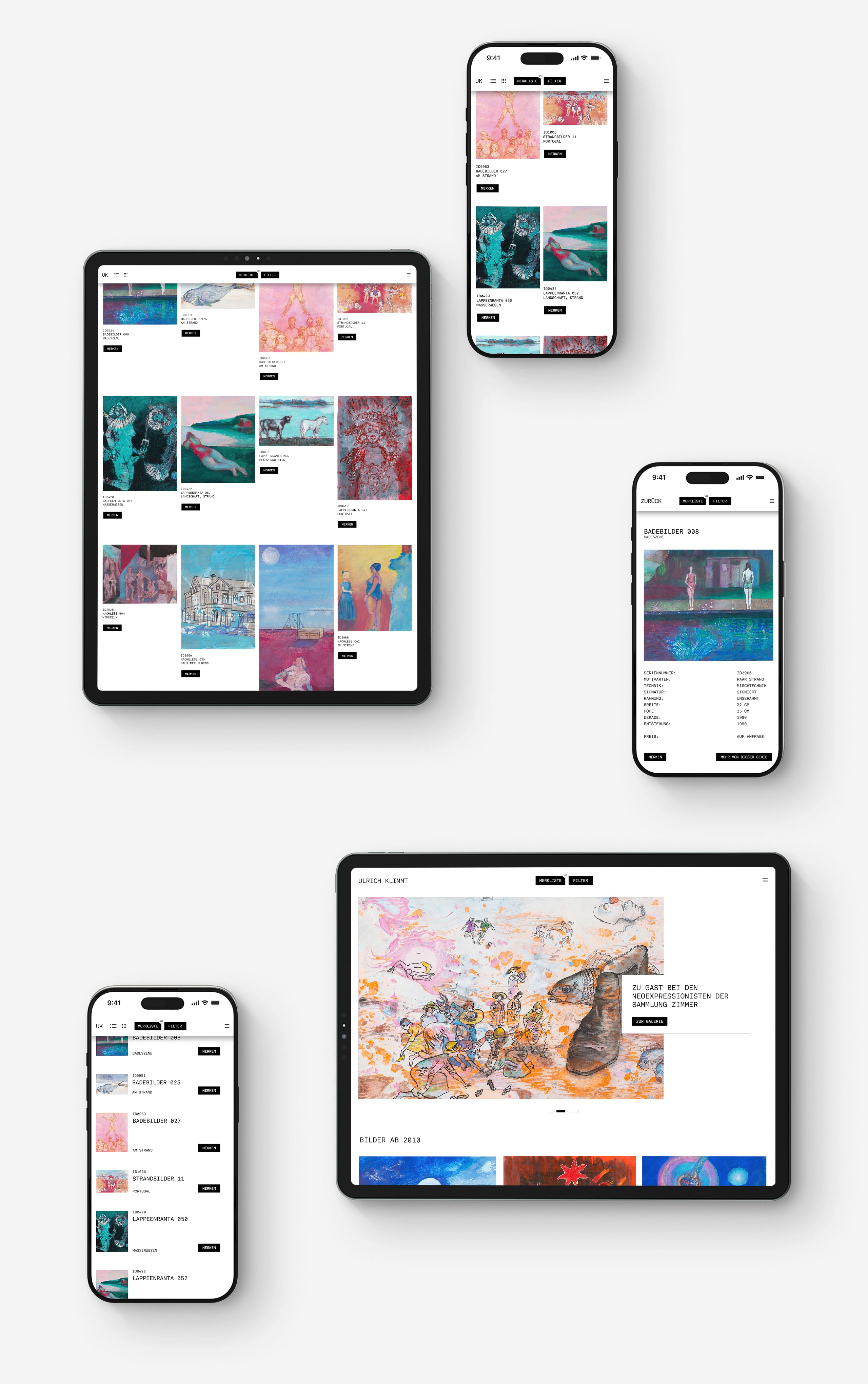
Transforming an analog estate into an adaptive, systematic archive while keeping context intact and enabling multiple access levels simultaneously. A modular four-layer architecture as basis for the next steps. High-resolution originals remain protected in cloud storage, automatically aligned with applied serial numbers. Automated format conversion generates web-optimized versions. A flexible CMS layer (Contao/MetaModels) enabled attaching and managing metadata, logic, access rights, and tagging workflows. The web frontend provides viewing, filtering, watchlist functions, a system-independent and browser-based solution, requiring neither technical knowledge nor special access.The metadata model covers 20+ categories including motif, technique, and creation period, dimensions and condition, naming just a few. Expandable and adjustable during operation. Gallery owners and curators assemble image selections, request further insights, or propose exhibitions directly through the browser.
The technical system scales from internal review to public website to shop integration. The process serves frictionlessly. Structure and tools cleared pathways. Curators gained access. Exhibitions became possible. Publications took shape. The foundation holds for years ahead.
Highlights Custom Metadata Model 20+ categories covering artistic, physical, and administrative dimensions. Flexible and adjustable during operation without system disruption.
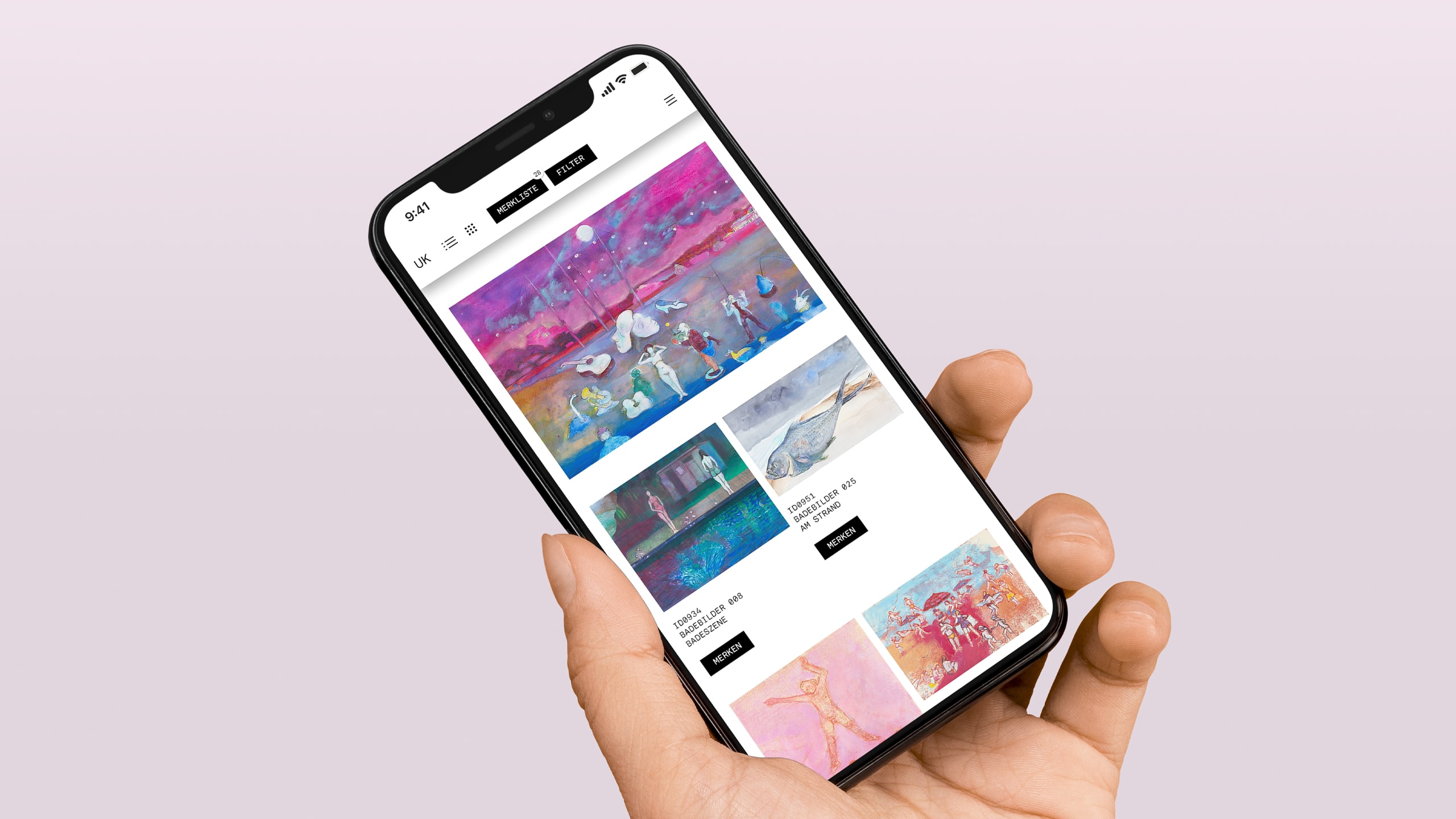
Curator Interface Web-based frontend with grid/list views, multi-level filters, detail views, watchlist function enabling selection sharing without system access.
Contribution
Process Design End-to-end workflow from scanning (mkw Group) through cloud storage, format conversion, CMS integration to frontend access. Technical Architecture Four-layer system: cloud storage (Hetzner), automated processing, CMS layer (Contao/MetaModels), web frontend. Deliberate decoupling ensures long-term resilience.
System Implementation Complete technical execution: server setup, CMS configuration, metadata structure, automation scripts, access rights architecture, frontend build.
Training & Handover Documentation, training sessions, ongoing support for internal and external editors.
team Ulf Spethmann Mario Jilka
Partner Annette Bertsch Reinhard Klimmt mkw Group
Read more
System
The software extends beyond just documentation, it centers data. Cloud storage holds masters. Automated processing generates derivatives. CMS manages metadata and access. Frontend serves multiple use cases: internal review, curator access, future public website. The system scales from analog archive to public digital platform without architectural change. Structure follows purpose. Technology serves access. The archive lives and grows.
OUTCOME
What existed became discoverable. What remained hidden became curatable. The work gained presence while preserving context. Since 2024, exhibitions across Germany and Finland have brought Klimmt's work to new audiences. The workflow runs continuously, the digital archive expanding as more works are cataloged and made accessible.
Client Appreciation
Working with TFO was a very pleasant and efficient experience from start to finish. They understood our requirements immediately and implemented them creatively. We were guided transparently through the entire process and now have a tool that allows us to work independently with excellent results.