Clarity doesn't need a capital

Habitat Zwiesel / 4 Min /  Christoph Grünberger↗
Close to the Border, Far in the Mind
Christoph Grünberger knows the opposite of noise. He grew up in Zwiesel, in the Bavarian Forest, eight thousand inhabitants, the Czech border around the corner. Today he works from there as a designer, author and thinker at the intersection of design and artificial intelligence. His books are published in Tokyo and Zurich, his talks given in Barcelona and Frankfurt. The path to his studio passes through open fields.

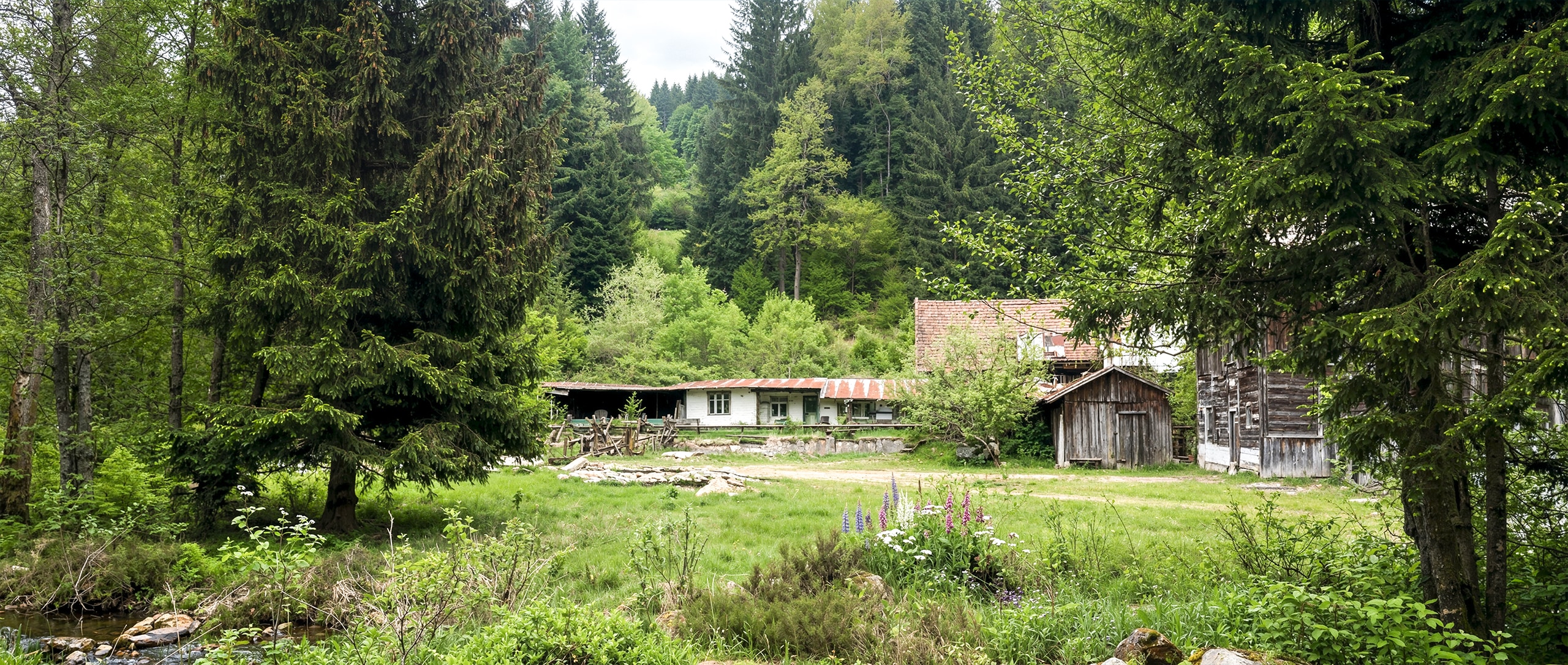
Zwiesel has 8,000 inhabitants. When you tell someone from Berlin or London that, they nod briefly and wait for the real information. The real information, however, is that there is none. Zwiesel is the place. Not a base for something bigger, not a temporary retreat between projects, not the cottage in the countryside you treat yourself to one day when you can finally afford it. Christoph Grünberger has lived there for years, written books from there, prepared talks for stages in Tokyo and Barcelona from there, and would be genuinely surprised if anyone considered that a contradiction.

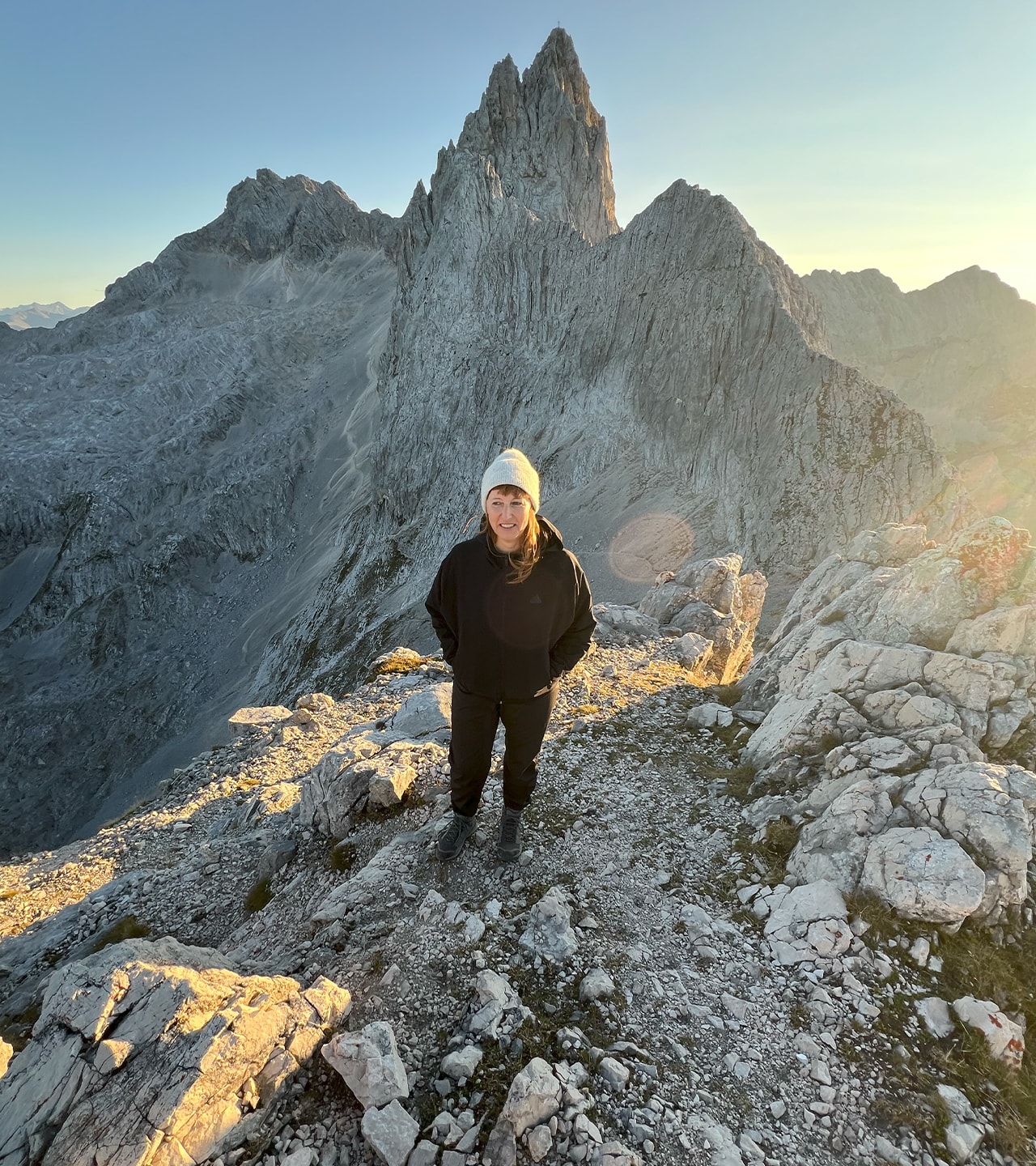
"After five minutes you're at forest and meadow level," he says. "I use that almost every day."

We have known each other since the Wiesbaden years, when we both happened to be booked onto the same project and Christoph was connected to the internet via a satellite dish routed through a server in Milan. The connection was patchy, the ping abysmal. The work was good. When I visit him now, I say: show me the Konzum. The Konzum in Železná Ruda, he says, no joke. He drives across the border regularly for that, mainly for the petrol station since prices on the Czech side are considerably more agreeable than on the Bavarian one. And if you are already over there, you stop at the Konzum. We once shared their weekly flyer digitally, and that was not a joke either. The border is fifteen minutes away, and anyone who knows the region reads it as a mirror axis of the past few decades: on the Czech side things are growing fast, on the Bavarian side people are watching with interest. The Bavarian Forest has its own momentum, and Christoph is part of it, even if he would rarely put it that way.

Christoph grew up in Zwiesel and has returned to it more than once. In the early 2000s he moved to Berlin, to Neubau, where he spent several formative years. In 2009 he came back and stayed. Not for lack of alternatives, but because the question of where exactly you work from had occupied him less than most people even then. "It doesn't really matter where you sit," he says. That was long before working from home became something people explained to each other on LinkedIn.

That he is genuinely rooted there rather than merely resident becomes clear through small things. His doctor is an old school friend. The network other designers build in design capitals, Christoph has built in a town of 8,000 people, and it carries just as far.
natural surroundings
"After five minutes you're at forest and meadow level."
Berlin was a productive time. The city in the early 2000s offered room to build something real with modest means. What he noticed over time was that a place making fewer claims about itself sometimes allows more. In Zwiesel there is no distraction. You can sharpen your focus. "I can concentrate directly there," he says, without sounding in the least nostalgic.

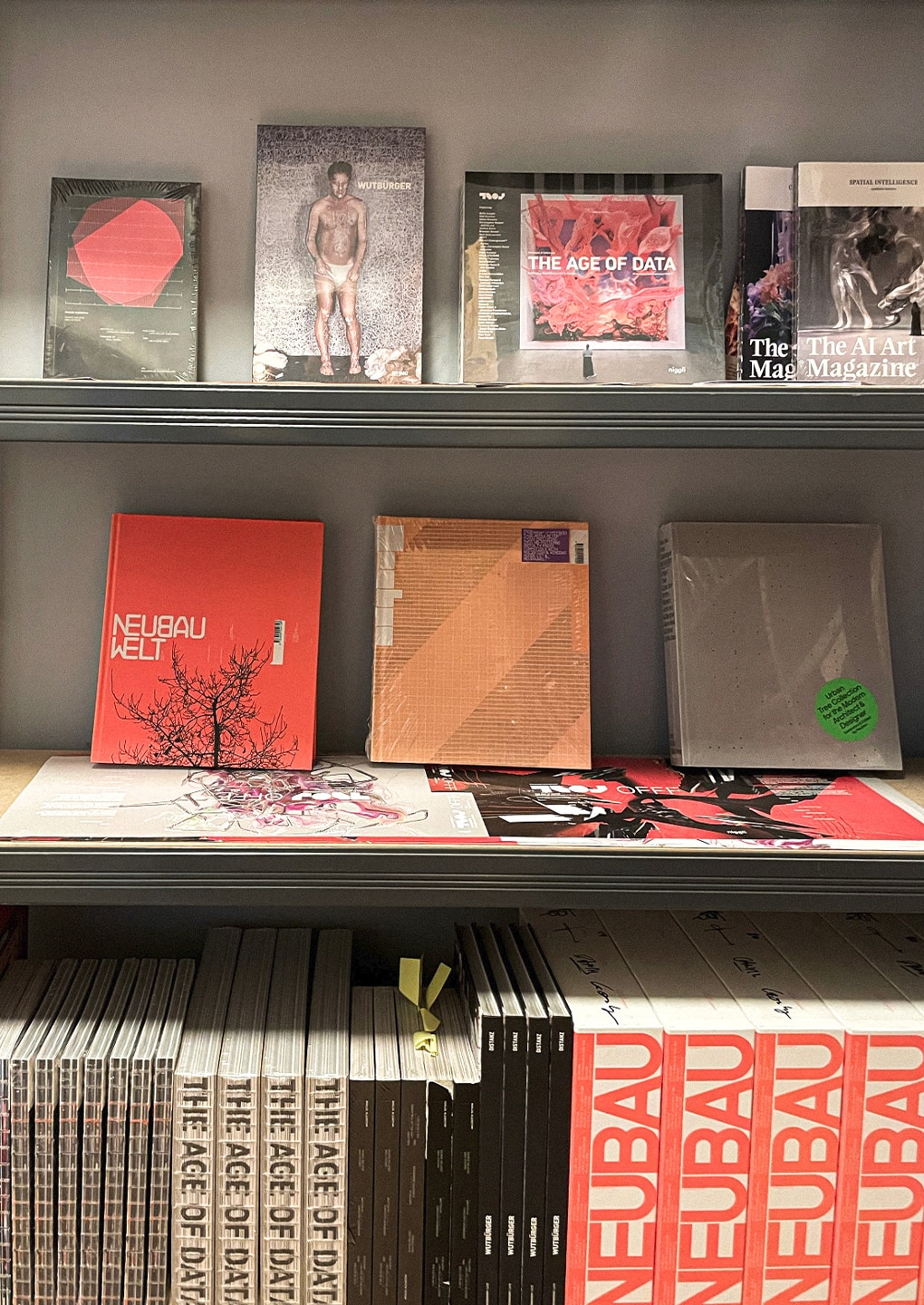
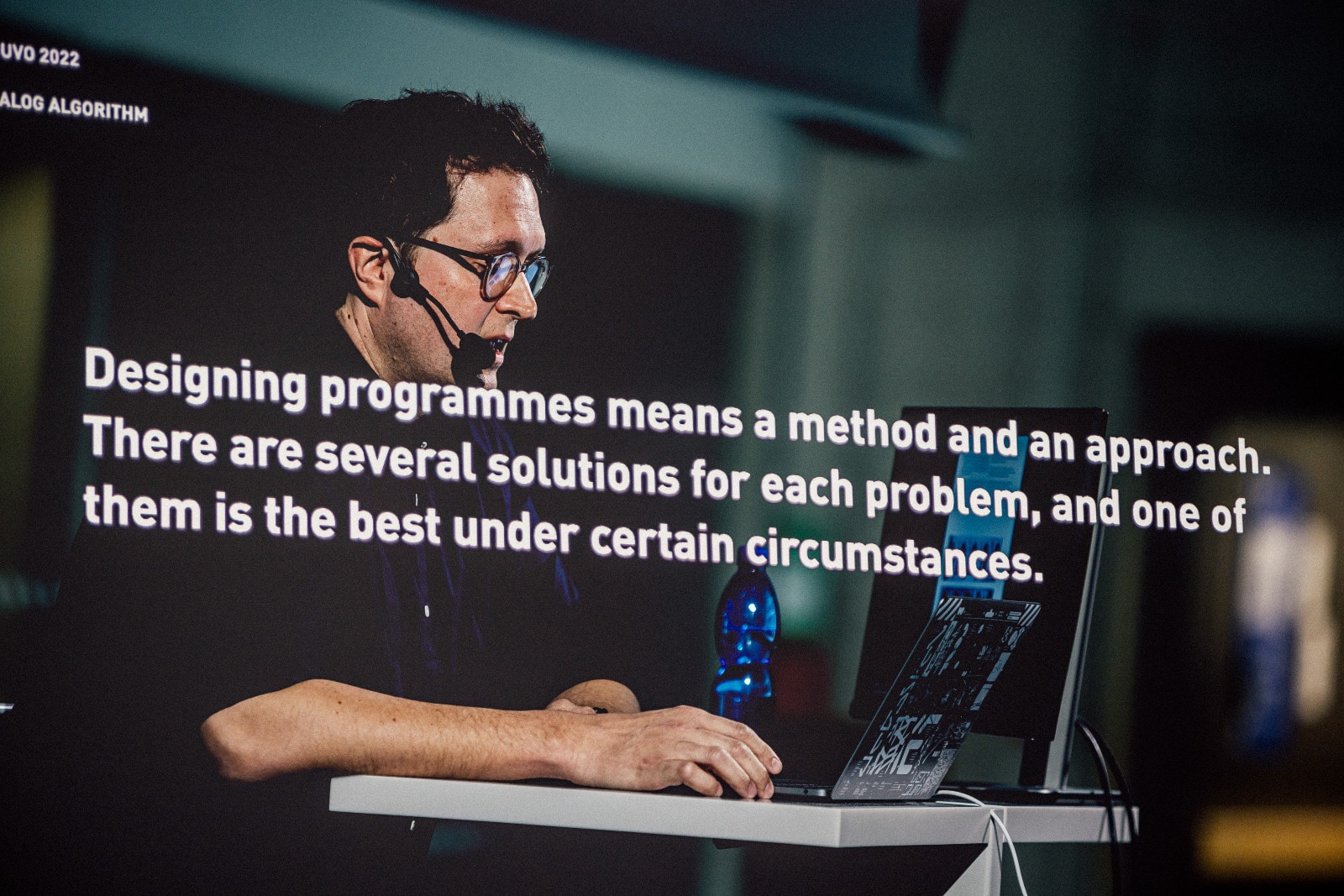
What remained from the Neubau years sits deeper than style. It is a method: the systemic, the programmatic, the question of which rules you establish before you begin to design. Karl Gerstner as a reference point, typefaces that developed their own internal logic, the book project Analog Algorithm as a direct extension of all of it. "That approach is still there," he says. "Only the core has changed." He means the transition from algorithm to intelligence. The Neubau principle and the language model follow, if you read them that way, the same grammar: rule-based systems that generate something larger than their starting conditions.
What followed were nearly ten years working across the country, often in Munich at Blackspace, then in a leadership role at Jung von Matt, where at 48 he built a team and made a serious attempt to bring the subject of AI into agency work. Leading a larger team was new for him and instructive in a genuine sense: he learned how far leadership carries and where it stops. And he saw that the place where creativity actually happens tends to be small and quiet. "It works in small groups," he says. "Two people at most, then it works." At some point he traded the staff position back in. Not because he had failed, but because he knew what he actually wanted.

By the end of the 2010s the books were appearing regularly again. Algorithm, 2019. Age of Data, 2021. Published by Lars Müller and Niggli, translated into Japanese and Chinese. Christoph describes them less as a body of work than as an unrolled course of study, a method of engaging with a subject seriously enough that you actually understand it by the end. The next book is coming. He already has a rough idea of what it will concern itself with. I am looking forward to it.
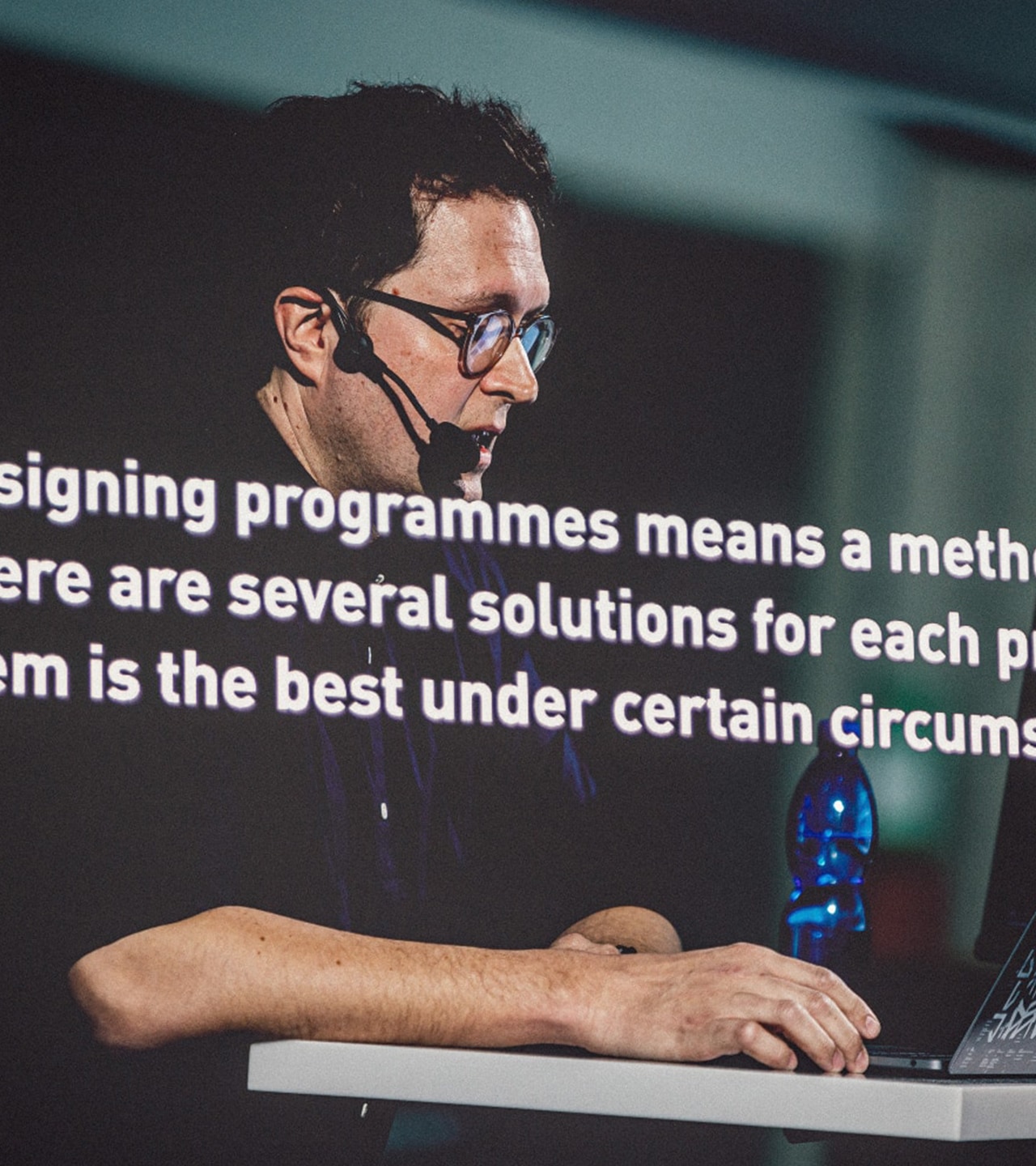
He is now self-employed, working from Zwiesel, and focused on what interests him most at the moment: AI as a real tool, not a conference topic. He calls it multimodal and means by that a new freedom of movement, being able to produce an album without being a musician. Being able to deliver animation without years of investment in software. "You have it in your head," he says. "You know where you want to go. But that question of how do I get it out into the world, that is now answered by this development in a way it simply was not before." On 20 May he is speaking at the World Design Capital in Frankfurt, together with Boris Eldagsen, on the subject of authorship in the age of AI. He regards this not as an interruption but as part of the process: the talk prepares the subject, the exchange moves it forward, the next project is already waiting.

In winter they ski. The Großer Arber is right behind the house, as he puts it, and the children have never known anything different. Christoph is there with them, more often than you would expect from someone who would never make a point of saying so.After 40 minutes on a double page, he says, the optimum is usually reached. Not after four hours.

After 40 minutes. That sounds like discipline but it is something else: the ability to know when something is finished. Not when it looks finished, when it is finished. That knowledge comes with the years, or more precisely with a loosening of attachment to the individual sheet in favour of the process that is already preparing the next one. At some point he stopped explaining it and simply starts the next one.

Zwiesel has 8,000 inhabitants, a great deal of open space, nature and animals in the fields along the school route, when the season is right. Someone else in this series said he does not see a single tree on his way to work. Christoph sees forest. That is not a luxury he had to fight for. That is simply where he is.
Habitat: Zwiesel
Christoph Grünberger

Images by Christoph Grünberger
Conversation by Mario Jilka, TFO
Lives in Context
Gary Cadogan
London
Christoph Grünberger
Zwiesel
Simone Hörmann
Munich